Video
How to spot a redialed vintage Seiko
6 August 2026 · 5 min read
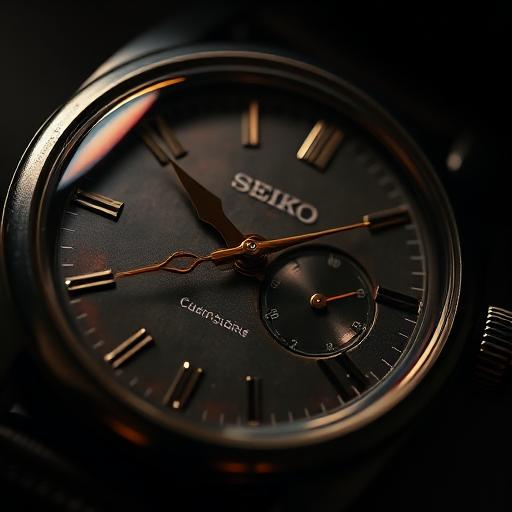
Redials are the most common trap in vintage Seiko collecting. Here are the five details that give almost every one of them away.
A redial is a dial that has been refinished and reprinted outside the factory. It is not automatically fraud — plenty of service dials were fitted legitimately — but it changes the value of a vintage watch dramatically, and most sellers do not mention it.
1. Font weight. Original Seiko printing is thin and even. Redials are usually a touch too bold, and the strokes look slightly rounded where they should be sharp.
2. Text placement. Check the distance between the logo, the model name and the applied indexes. Reprints drift: text sits too low, too high, or off the vertical axis by a fraction.
3. The date window. On a redial the printed track around the window is frequently uneven, and the aperture edge can show a lip of paint that the factory would never leave.
4. Lume plots. Original plots are applied with consistent volume and age to the same tone. Fresh, uniformly white plots on a fifty-year-old watch are a red flag; so are plots that sit on top of the printing instead of beside it.
5. The back of the dial. If the seller can show it, look for the original Seiko stampings and dial feet. Refinishers often grind these away.
None of these on their own is proof. Two or three together usually are. Ask for a straight-on macro shot in natural light before you make an offer — an honest seller will send one within minutes.