Interview
Inside an independent dial maker's workshop
14 August 2026 · 6 min read
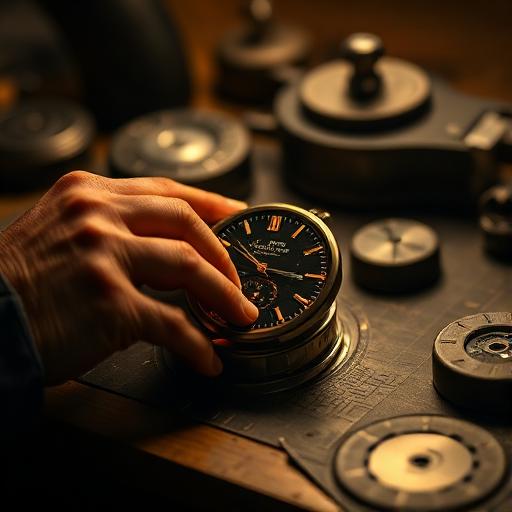
Three hundred dials a year, all by hand. We spent a morning with an independent dial maker to understand why a good dial takes weeks, not minutes.
The workshop is smaller than most kitchens. Two benches, a lathe from the 1950s, a galvanic bath in the corner and a window that faces north — the only light source anyone here trusts to judge colour.
A dial starts as a brass blank less than half a millimetre thick. It is stamped, turned, cleaned and then finished: sunburst, grained, enamelled or lacquered. Every step introduces the possibility of ruining the piece, and the later the mistake, the more expensive it is.
"People see the price and think it's the name," our host says, holding a salmon dial against the light. "It's the rejects. For every dial that leaves this room, two go in the bin."
Printing is where most of the character lives. The indexes and the logo are transferred with a silicone pad from an engraved plate, one colour at a time, each pass drying before the next. Under a loupe you can read the pressure: a good print sits crisp on the surface, a rushed one bleeds at the edges.
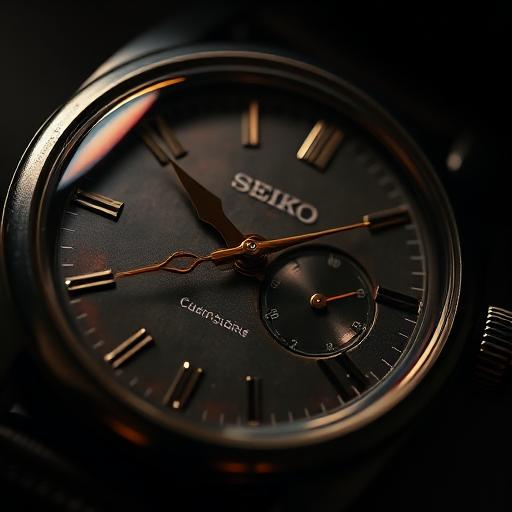
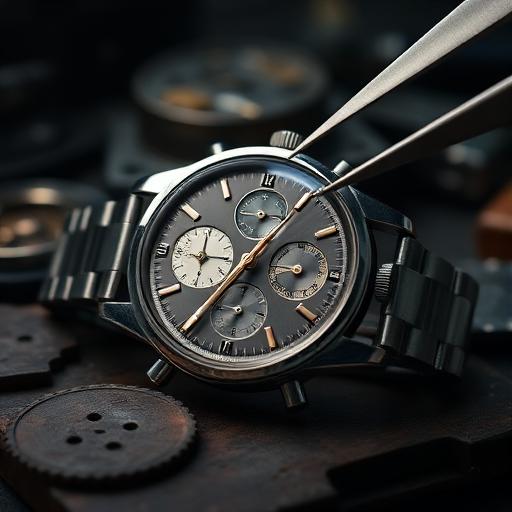
Applied indexes come last. Tiny feet are pushed through holes drilled from the back and riveted flat. A tenth of a millimetre out of line is invisible to the naked eye and immediately obvious in a macro photograph — which is how most watches are sold today.
The lesson for buyers is simple: when you assess a watch on Kronofy, zoom into the dial first. Print quality, index alignment and lume colour tell you more about a watch's life than the case ever will.